AI Image Generator Tools Explained
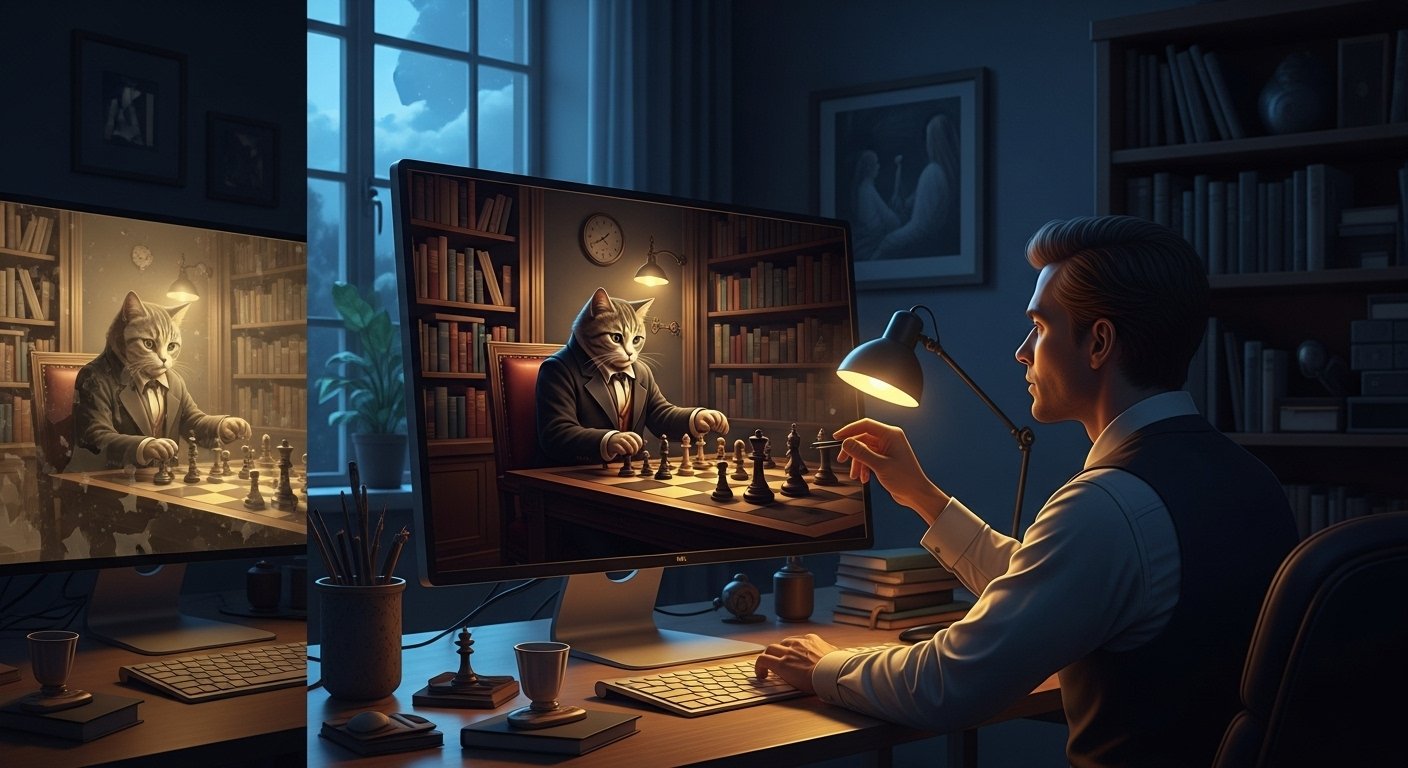
The first time I watched an image materialize from a text description, I sat in stunned silence for a good thirty seconds. It was late 2024, and I’d typed something ridiculous, a cat wearing a tuxedo playing chess in a Victorian library, expecting a blurry mess. Instead, I got a surprisingly coherent, oddly beautiful image that looked like it belonged in a storybook. That moment changed how I think about visual creativity.
Since then, I’ve spent hundreds of hours exploring AI image generator tools for client projects, personal experiments, editorial illustrations, and pure curiosity. I’ve watched the technology evolve from producing nightmarish hands and melted faces to generating photorealistic scenes that fool even trained eyes. Along the way, I’ve developed a practical understanding of what these tools can and can’t do, who benefits most from them, and where the ethical lines blur.
Here’s my attempt to explain this technology clearly, without the hype or the fear-mongering.
How AI Image Generators Actually Work
At their core, these tools use neural networks trained on millions of images paired with text descriptions. When you input a description called a prompt, the system doesn’t search a database for existing images. Instead, it generates something entirely new by predicting what pixels should appear based on patterns learned during training.
Think of it like this: if you’ve seen a thousand paintings of sunsets over oceans, you develop an intuition for what elements belong together, warm colors, horizon lines, reflections on water. AI image generators work similarly, but at a scale and speed no human could match.
The most common underlying technology is called diffusion, where the system starts with random noise and gradually refines it into a coherent image guided by your text input. Other approaches include GANs (Generative Adversarial Networks), where two neural networks compete, one creating images, one critiquing them until the output becomes convincingly realistic.
What These Tools Can Do in 2026
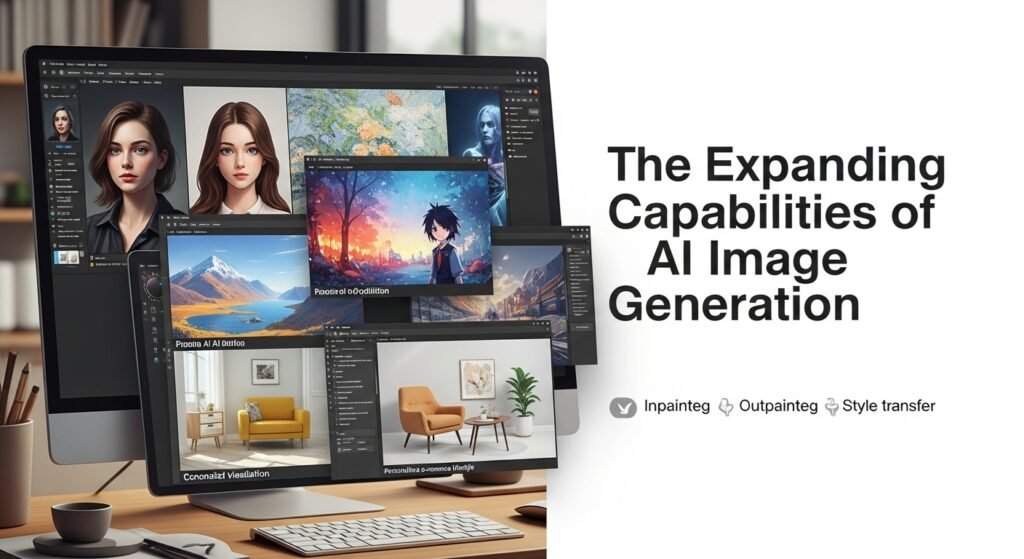
The capabilities have expanded dramatically:
Photorealistic Imagery
Modern generators produce images indistinguishable from photographs in many cases. Portraits, landscapes, product shots, and architectural visualizations are all achievable with the right input and settings.
Artistic Styles
From impressionist paintings to anime, pixel art to hyperrealism, these tools can mimic virtually any visual style. I’ve generated watercolor illustrations, vintage poster designs, and 3D-rendered scenes all in the same afternoon.
Concept Visualization
For architects, product designers, and creative directors, these tools accelerate the ideation phase. A furniture designer I worked with used image generation to visualize 50 chair concepts in two hours, a process that previously took weeks of sketching.
Personalization at Scale
Marketing teams generate custom visuals for different audience segments. One e-commerce client created 200 unique lifestyle images featuring their products in various settings without a single photoshoot.
Image Editing and Manipulation
Beyond creation, many tools now offer inpainting editing specific areas, outpainting extending images beyond their borders, and style transfer applying one image’s aesthetic to another.
The Real Limitations Nobody Advertises
Despite the impressive demos, frustrations remain:
Text and Fine Details
Letters, numbers, and signage still pose challenges. I’ve lost count of images ruined by gibberish text on storefronts or misspelled words on book covers. It’s improving, but not solved.
Anatomical Consistency
Hands have become a meme in this space for good reason. While 2025 tools handle them better, complex poses, multiple people interacting, and unusual angles still produce errors.
Specific Accuracy
If you need an exact representation of a real building, a specific person’s likeness, or a precise product design, these tools often fall short. They create plausible interpretations, not accurate reproductions.
Prompt Dependency
Getting the output you envision requires skill. Vague prompts yield generic results. Overly complex prompts confuse the system. There’s a learning curve to writing effective descriptions.
Consistency Across Images
Generating a series of images with the same character, setting, or style remains tricky. Each generation is independent, so maintaining visual continuity for projects like comics or brand campaigns requires workarounds.
Real-World Applications I’ve Witnessed
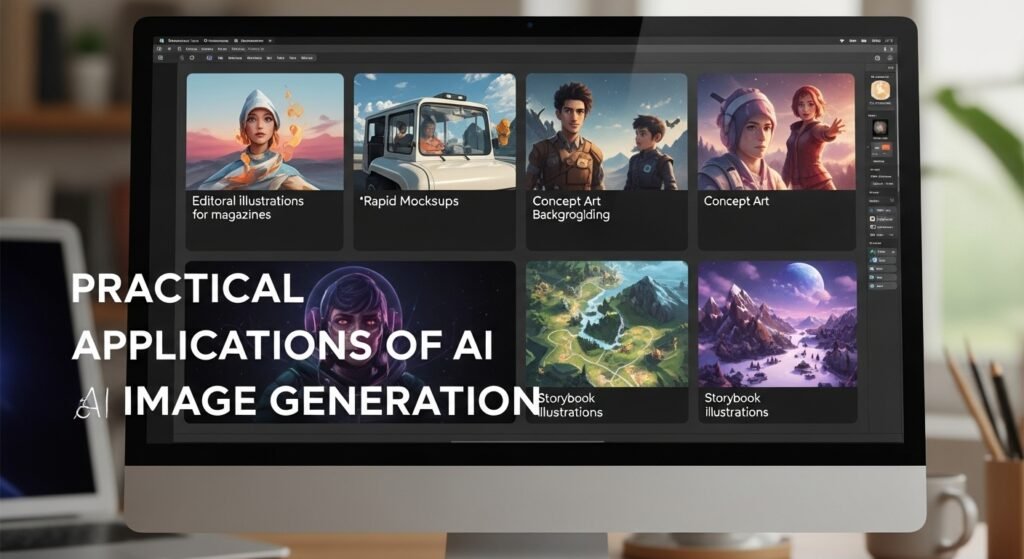
Editorial Illustration
A small magazine I consult for now generates custom illustrations for articles that previously relied on stock photos. The visual identity became distinctive without hiring illustrators for every piece.
Rapid Prototyping
A startup founder showed investors product mockups generated in an afternoon, professional enough to communicate the vision before spending on actual design work.
Game Development
Indie game studios use these tools for concept art, background assets, and character design exploration. One developer told me it cut their pre-production phase by 60%.
Personal Projects
Writers visualize characters. Dungeon masters create custom fantasy maps. Parents generate personalized storybook illustrations featuring their children. The democratization of visual creation is genuinely remarkable.
The Ethical Tangle
This is where things get complicated, and I don’t have easy answers.
Artist Compensation
These systems learned from human-created art, often without explicit consent or compensation. Many artists feel their work was exploited to train competitors. It’s a legitimate concern that the industry hasn’t adequately addressed.
Misinformation Potential
Photorealistic generation enables convincing fake imagery, fake news photos, fabricated evidence, and non-consensual intimate images. The potential for harm is significant and already being realized.
Copyright Uncertainty
Who owns an AI-generated image? The person who wrote the prompt? The company that built the tool? The artists whose work trained the model? Legal frameworks are still catching up.
Job Displacement
Stock photographers, illustrators, and concept artists face genuine economic pressure. Some will adapt by incorporating these tools; others may find their livelihoods diminished.
I’ve adopted personal guidelines: I don’t generate images mimicking living artists’ styles, I’m transparent with clients about AI involvement, and I avoid creating anything that could deceive or harm.
Looking Forward
The technology will keep improving. Video generation is already emerging. Real-time generation is becoming possible. Integration with other creative tools will deepen.
But the fundamental questions remain human ones: How do we use powerful tools responsibly? How do we balance innovation with fairness? How do we preserve the value of human creativity while embracing new capabilities?
AI image generators aren’t magic, and they’re not the end of art. They’re remarkably powerful, genuinely useful, ethically complicated tools. Understanding them clearly is the first step toward using them wisely.
FAQs
1. Do I need artistic skills to use AI image generators?
No, but learning to write effective prompts improves results significantly. It’s a new skill, not a traditional art skill.
2. Are AI-generated images copyrightable?
Currently unclear. Most jurisdictions require human authorship for copyright protection. Legal frameworks are evolving.
3. Can these tools replace photographers and illustrators?
For some applications, yes. For high-end, specific, or deeply creative work, human artists remain essential.
4. How do I avoid generating harmful content?
Most reputable platforms have content filters. Additionally, apply personal ethical judgment before creating or sharing images.
5. What’s the best AI image generator in 2026?
It depends on your needs. Different tools excel at photorealism, artistic styles, speed, or editing capabilities. Experimentation helps find the right fit.

Post Comment